

Novel, Reading
Why We Keep Going Back
(And why nobody ever really leaves the classics)
Every few years, someone confidently declares that this generation is done with the classics.
Attention spans are too short. TikTok has broken our brains. Everything needs to be faster, louder, and algorithm-approved. Old books are dusty. Old movies are slow. Old TV shows look like they were filmed through a layer of cigarette smoke and regret.
And then, almost on cue, we all go back.
We reread The Great Gatsby.
We rewatch Casablanca.
We reboot Star Wars.
We adapt Pride and Prejudice for the tenth time and argue (again) about which version is best.
The classics never stay gone for long. They just wait patiently while we pretend we’re over them.
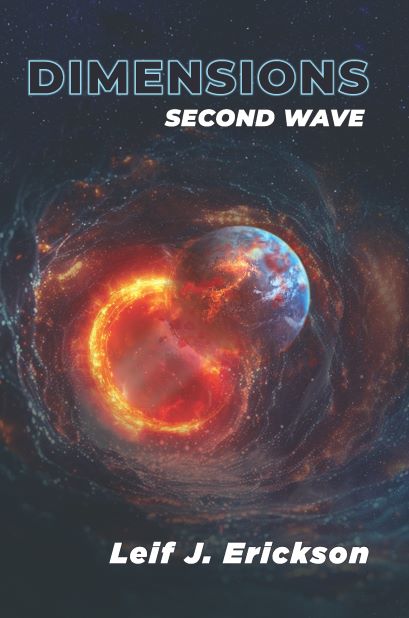
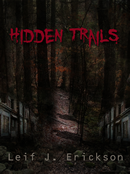
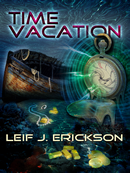
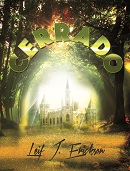
Check Out Leif's Books on Amazon


It’s Not Nostalgia (Okay, It’s a Little Nostalgia)
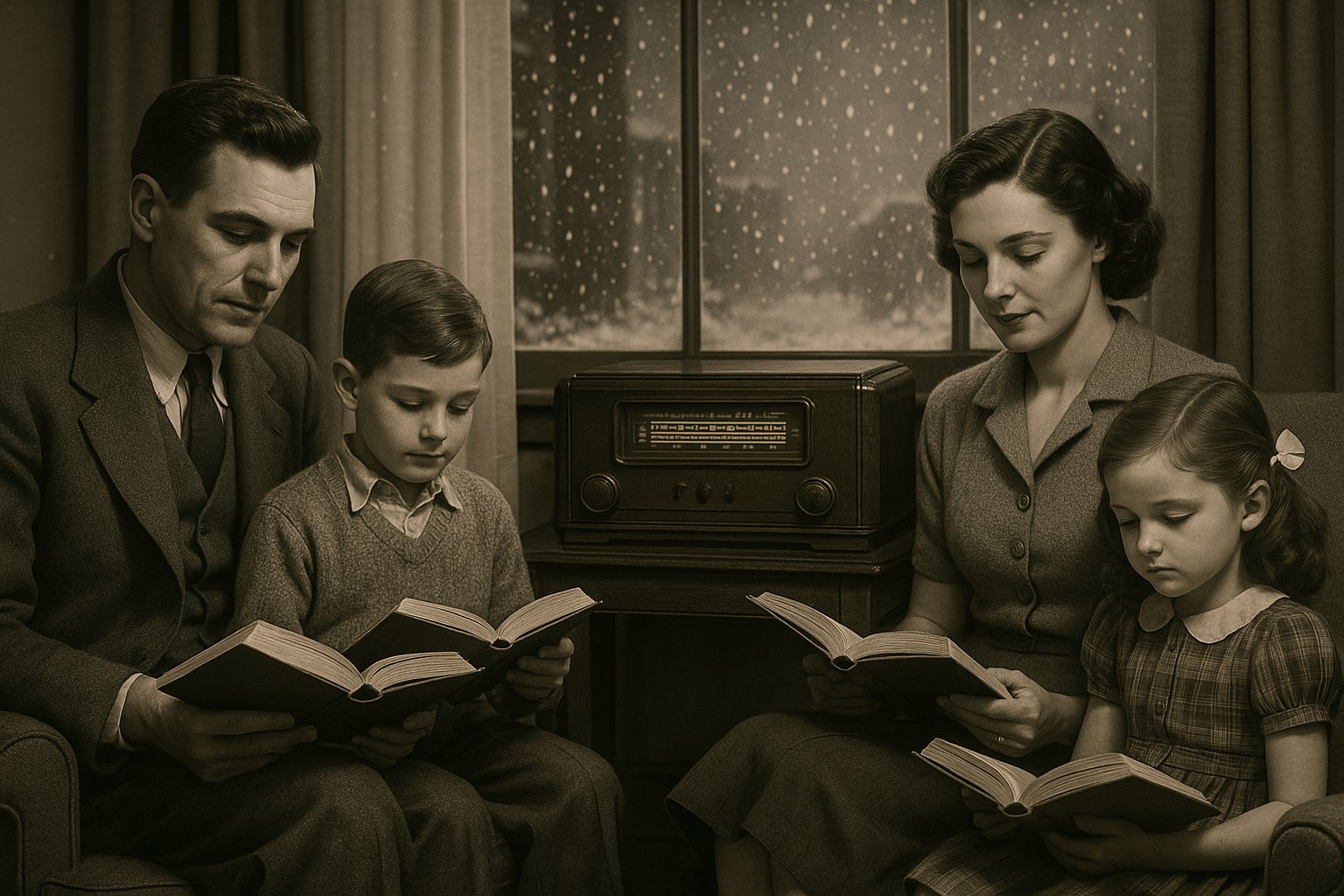
The easy answer is nostalgia. We return to these stories because they remind us of who we were when we first encountered them: high school English classes, rainy weekends, late-night movie marathons, a dog-eared paperback stuffed into a backpack.
But nostalgia alone doesn’t explain why new readers keep finding these stories for the first time and falling hard.
A seventeen-year-old reading Gatsby today isn’t nostalgic for the Jazz Age. They’ve never danced the Charleston or driven a yellow roadster through West Egg. Yet somehow, the story still lands. Hard.
That’s because the classics aren’t about their settings. They’re about their questions.
Who are we really trying to impress?
What does success cost us?
Can love survive ambition?
Is reinvention brave or just another form of denial?
Change the clothes, the technology, the slang, and the questions remain stubbornly the same.
The Comfort of Familiar Bones
There’s another reason we return to classic stories: structure.
A good classic feels solid. You can sense the bones underneath it. The arcs are clean. The character motivations are clear, even when the characters themselves are messy. There’s a strange comfort in knowing that a story understands what it’s doing.
Modern storytelling often prides itself on subversion, and that’s not a bad thing, but subversion only works when you know the rules you’re breaking. The classics are the rulebook.
That’s why so many modern stories quietly borrow from them while insisting they’re doing something completely new.
Enemies-to-lovers? Austen perfected it.
The tragic rise and fall? Fitzgerald wrote the blueprint.
The morally compromised hero? That’s been around longer than cameras.
We don’t return to the classics because they’re predictable. We return because they’re reliable. They remind us what a well-told story feels like in our bones.
We Like Seeing Ourselves Reflected, Even When It’s Uncomfortable
Here’s the part people don’t like to admit: classics don’t flatter us.
They expose us.
Jay Gatsby isn’t admirable because he’s successful. He’s fascinating because he’s hollow. Elizabeth Bennet isn’t beloved because she’s perfect, but because she’s wrong, and learns. Rick Blaine isn’t heroic because he’s brave, but because he’s selfish right up until the moment he chooses not to be.
These characters endure because they refuse to let us off the hook.
When we reread or rewatch these stories at different stages of our lives, they change—not because the text changes, but because we do. The line that sailed past us at twenty hits like a punch at forty. The character we once admired starts to look a little suspect. The villain suddenly makes an uncomfortable amount of sense.
That’s not nostalgia. That’s growth with a mirror held up in front of it.
Reinvention Is the Most Human Fantasy There Is
One of the quiet threads running through many classic stories is reinvention: the idea that we can become someone new if we just try hard enough.
New money. New names. New cities. New masks.
Sometimes it works. Sometimes it doesn’t. Often, it costs more than we expected.
That idea never goes out of style because it’s deeply human. We are always standing at some invisible starting line, convinced that the next version of ourselves will finally get it right. The classics understand that impulse, and they understand the tragedy baked into it.
They don’t tell us reinvention is impossible. They just warn us that it isn’t free.
Why This Matters Now
We live in an age of constant content. New shows every week. New books every day. Endless scrolling, endless options.
And yet, when things feel uncertain, culturally, economically, personally, we reach backward. We look for stories that have already survived chaos. Stories that made it through wars, depressions, social upheaval, and shifting moral landscapes.
The classics have already been tested.
They’ve been argued over, banned, misread, reclaimed, adapted, criticized, and loved again. And they’re still standing.
That’s not an accident.
The Real Reason We Return
We return to the classics not because we’re out of ideas, but because we’re still wrestling with the same ones.
Identity.
Love.
Power.
Belonging.
The cost of wanting more.
As long as humans keep asking those questions, the classics will keep answering them in ways that feel unsettlingly personal.
And every time we think we’ve moved past them, they’re right there, quietly waiting on the shelf, ready to remind us who we are.
Or who we’re pretending to be.
About Leif J. Erickson
Leif J. Erickson is a science fiction and fantasy author from a small farming community in west central Minnesota. Using his time wisely when he was a farmer, Leif developed many ideas, characters, and storylines to create over fifty unique first drafts and outlines for stories. From his start in a small town school, to college at North Dakota State University, back to his family farm, then to the bright lights of Minneapolis, Minnesota, and back to his small farming town, Leif has always had a love of writing.
When Leif isn’t writing he can be found with his wife hiking in state parks, canoeing local lakes and rivers, exploring local and regional ghost towns, experiencing museums, or simply reading or hanging out with friends and family. Leif draws on the local nature and ecology to find inspiration for his writing while he also asks what’s possible for technology and the human race, weaving them together for amazing stories that will stay with the reader for years to come. Leif looks forward to having many novel and story releases in the years to come.
You can see all of Leif’s Books here: Leif’s Amazon Author Page

Related posts





My Books

FOLLOW ME


Leave a reply
You must be logged in to post a comment.