
Books, Motivation, Novel, Writing
The Path of a New Book
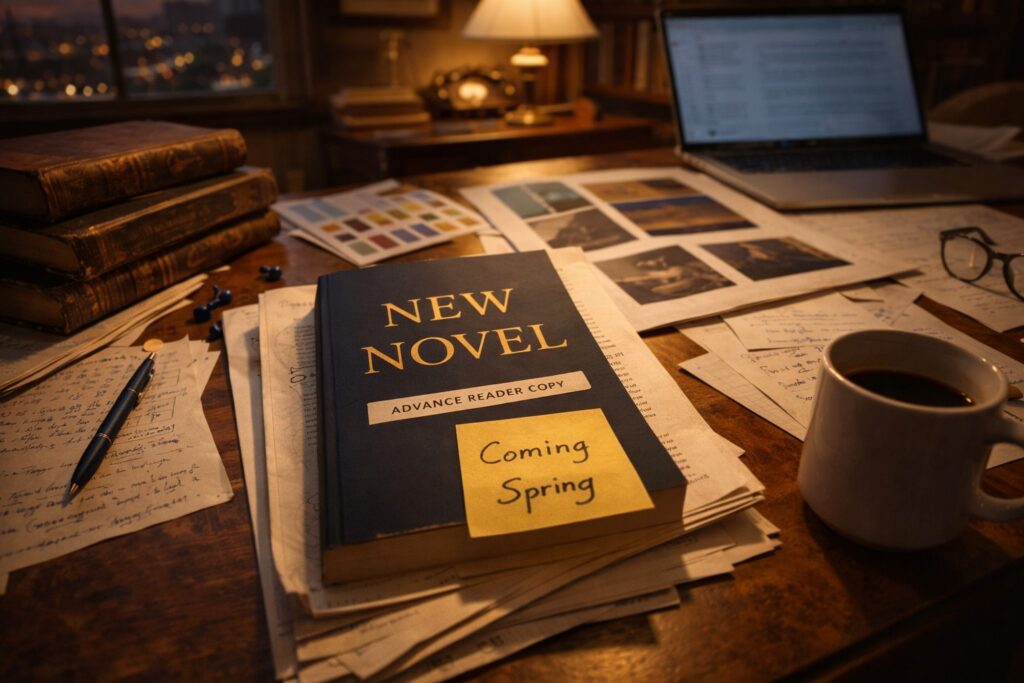
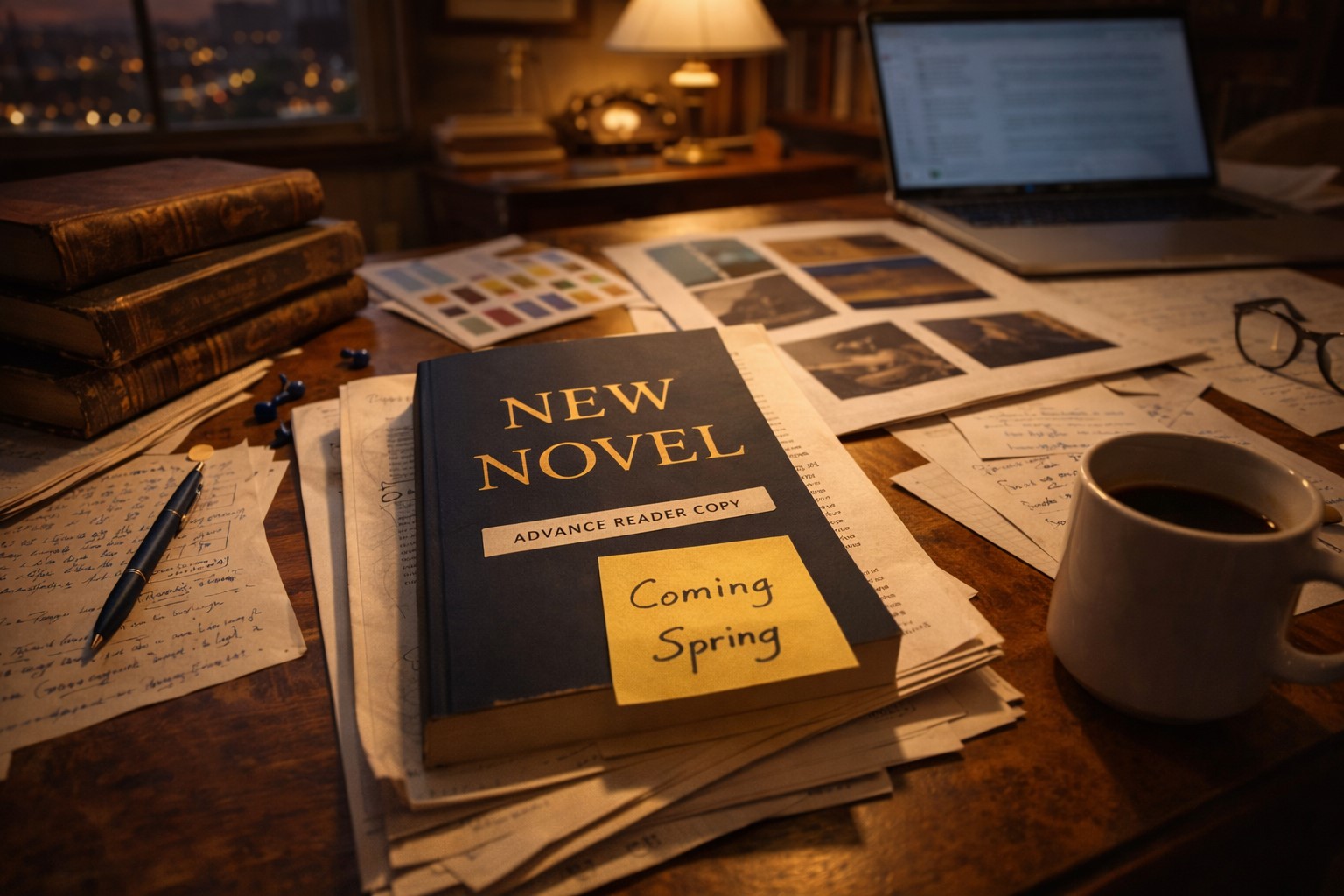
What I can say is that this new novel is inspired by one of the great American classics. Not a retelling. Not a remake.
Things are moving fast right now, in that good, slightly chaotic way that always seems to happen right before a book steps out into the world.
The newest release is officially on the calendar for this spring. I can’t share full details just yet (soon, I promise), but I can say this: I’m excited about this one in a way that feels different. Early advanced reader feedback has been incredible: thoughtful, engaged, and a little more emotional than I expected. That’s usually a good sign. It tells me the story is landing where it’s supposed to.
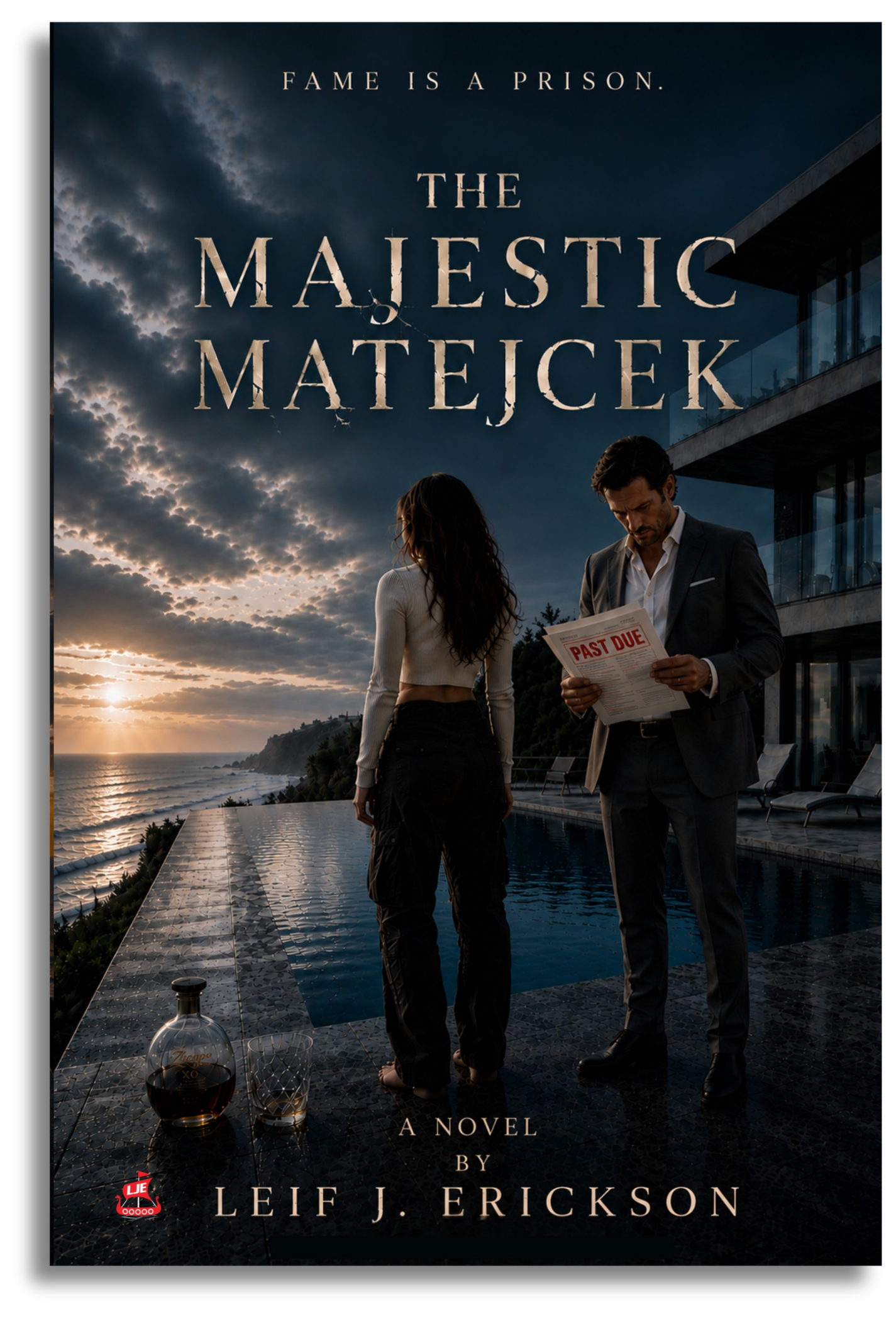
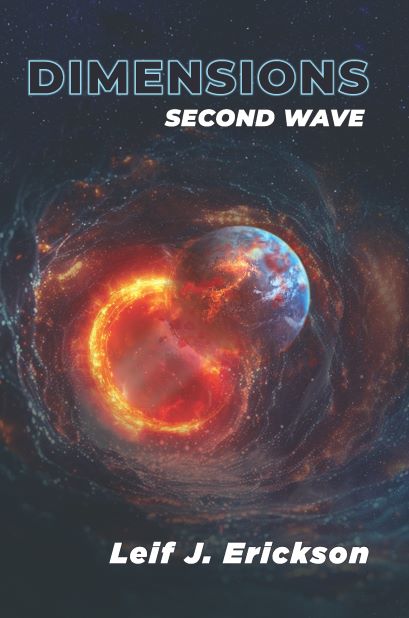
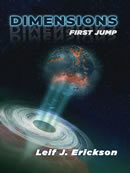
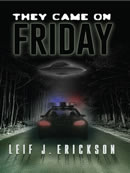
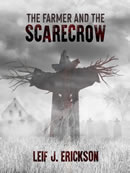
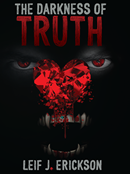
Check Out Leif's Books on Amazon


Right now, we’re deep in the weeds of the process most readers never see. Covers being finalized. Layouts being tweaked. Fonts debated. Tiny details adjusted that no one will consciously notice, but everyone would feel if they were wrong. It’s the part of publishing that’s equal parts thrilling and exhausting, where the book stops being a private thing and starts becoming a real object in the world.
What I can say is that this new novel is inspired by one of the great American classics. Not a retelling. Not a remake. But a conversation, a modern echo that asks what happens when themes that once defined a generation are dropped into the world we’re living in now. Even without details, that idea alone has already started to get people talking, and that’s been both humbling and energizing.
Working on this book, and outlining what comes next, sent me back down a familiar rabbit hole. The classics. The ones we read in school. The ones we think we understand. The ones that somehow keep showing up again and again, reshaped, reinterpreted, and repackaged for new generations.
Why do we keep returning to the same stories?
Why do certain novels refuse to stay in their original time period? Why do teachers still assign them? Why do writers, myself included, feel pulled toward them, even when we’re trying to do something new?
That question has been rattling around in my head lately, especially as I balance finishing touches on one book while already sketching out the bones of another. It turns out you can’t move forward in storytelling without occasionally looking back.
So before I share more about what’s coming this spring, I wanted to step back and talk about where so much of American storytelling came from. The early 1900s through World War II produced a wave of literature that didn’t just capture its moment, it defined it. And in many ways, it’s still defining ours.
The article below looks at those classics, why they endure, why schools still teach them, and why modern writers can’t seem to escape their gravitational pull.
Because sometimes the best way to understand where a story is going…
is to look at the stories that got us here.
About Leif J. Erickson
Leif J. Erickson is a science fiction and fantasy author from a small farming community in west central Minnesota. Using his time wisely when he was a farmer, Leif developed many ideas, characters, and storylines to create over fifty unique first drafts and outlines for stories. From his start in a small town school, to college at North Dakota State University, back to his family farm, then to the bright lights of Minneapolis, Minnesota, and back to his small farming town, Leif has always had a love of writing.
When Leif isn’t writing he can be found with his wife hiking in state parks, canoeing local lakes and rivers, exploring local and regional ghost towns, experiencing museums, or simply reading or hanging out with friends and family. Leif draws on the local nature and ecology to find inspiration for his writing while he also asks what’s possible for technology and the human race, weaving them together for amazing stories that will stay with the reader for years to come. Leif looks forward to having many novel and story releases in the years to come.
You can see all of Leif’s Books here: Leif’s Amazon Author Page


Related posts




My Books

FOLLOW ME


Leave a reply
You must be logged in to post a comment.